

Bem-vindo à Lição 10.4, o pilar final do gerenciamento profissional de riscos. Nas lições anteriores, você dominou a definição do ganho potencial (relação R: R) e a quantificação do perigo do mercado (volatilidade). Agora, finalizamos o sistema com a regra mais importante na negociação profissional: A regra do 1%.
Se você falar com qualquer gestor veterano de fundos de hedge ou negociante institucional de criptomoedas, eles lhe dirão a mesma coisa: Seu objetivo principal não é maximizar o lucro, mas sobreviver para negociar outro dia.
A regra do 1% é o processo mecânico que reforça esse instinto de sobrevivência. Isso garante que nenhuma decisão errada, nenhuma queda repentina do mercado e nenhuma falha técnica imprevista possam arruinar sua conta. Essa disciplina é a base da consistência, provando de uma vez por todas que a consistência sempre supera a convicção.
Definindo a linha de vida: qual é a regra de 1%?
A regra de 1% é simples, inegociável e absoluta:
Você nunca deve arriscar mais de 1% do seu capital comercial total em uma única negociação.
Esta regra determina o exato tamanho da sua posição com base na distância até o seu stop-loss. É a restrição final de segurança aplicada a cada negociação que você realiza.
O portfólio como um bote salva-vidas
Imagine que sua conta de negociação total seja um bote salva-vidas no oceano turbulento do mercado de criptomoedas. Essa balsa foi projetada para resistir a tempestades, mas só pode fazer alguns buracos antes de afundar.
- Arriscando 1%: Se você for atingido (uma negociação perdida), a balsa perderá apenas 1% de sua flutuabilidade. Ele permanece forte, durável e pronto para navegar na próxima onda.
- Arriscando 5%: Perdendo apenas dez negociações seguidas (uma ocorrência comum (mesmo para traders experientes) causa uma Redução de 50%. Torna-se incrivelmente difícil — psicológica e matematicamente — se recuperar.
- Arriscando 10%: Perdendo apenas dez negociações seguidas apaga toda a sua conta (perda de 100%).
A regra de 1% é um escudo estatístico. Isso lhe dá tempo, resiliência e o espaço emocional necessário para superar as inevitáveis sequências de derrotas.
Por que a regra de 1% é matematicamente superior (o problema da redução)
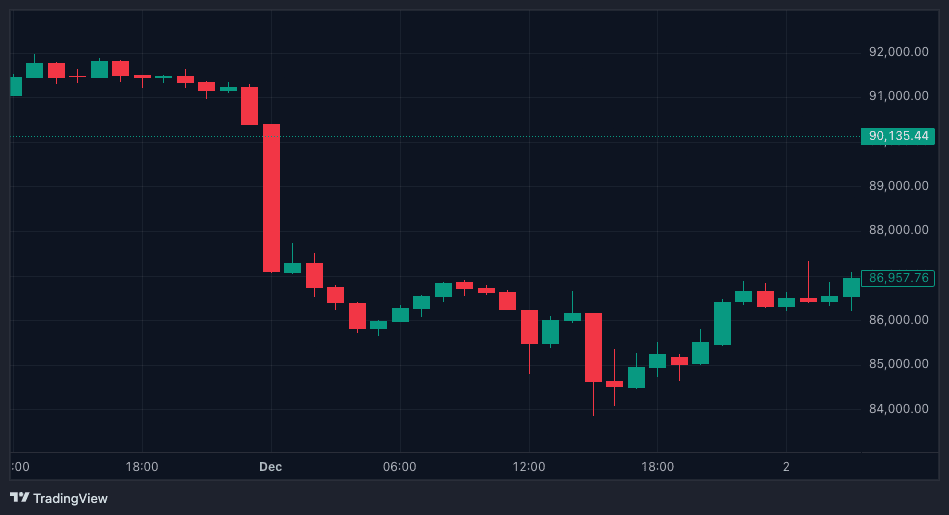
Para entender o poder de 1%, você deve entender rebaixamento—o declínio de pico a mínimo durante um período específico. Quanto mais profundo for o rebaixamento, maior será o ganho percentual que você precisa para se equilibrar.
Aqui está uma rápida olhada na dificuldade de recuperação:
- Uma perda de 1% requer um ganho de 1,01% para atingir o ponto de equilíbrio.
- Uma perda de 10% requer um ganho de 11,11%.
- Uma perda de 25% requer um ganho de 33,33%.
- Uma perda de 50% requer um Ganho de 100,00% só para recuperar seu diretor.
Observe a dificuldade exponencial: perder 50% requer um ganho de 100% apenas para se recuperar.
Ao aderir estritamente à regra de 1%, uma sequência de dez derrotas consecutivas só resulta em um rebaixamento de menos de 10%. Isso significa que você só precisa de um ganho de 11,11% para recuperar essas perdas — uma meta altamente alcançável e realista no volátil mercado de criptomoedas.
Essa resiliência é a vantagem competitiva dos traders profissionais. Enquanto negociantes imprudentes estão tentando desesperadamente sair de buracos profundos, negociadores disciplinados já estão de volta ao lucro, prontos para a próxima oportunidade.
O processo mecânico: calculando o tamanho preciso da posição
A regra do 1% não é sobre emoção; é sobre um cálculo mecânico preciso. Ele vincula o risco do seu portfólio diretamente ao seu distância de stop-loss para lhe dar o valor exato em dólares que você pode se comprometer com a negociação.
O cálculo requer duas entradas críticas:
Entrada 1: Seu risco máximo em dólares (o valor fixo)
Isso é determinado aplicando a regra de 1% ao valor total do seu portfólio. Esse número nunca muda a menos que seu portfólio cresça (ou diminua) significativamente.
A fórmula é: Risco máximo em dólares = valor total do portfólio x 0,01
Exemplo: Se o valor total do seu portfólio for $25.000, seu risco máximo por negociação é: $25.000 x 0,01 = $250. Não importa qual ativo você negocie ou até onde esteja sua parada, você nunca poderá perder mais do que $250 nesse único comércio.
Entrada 2: Sua distância de stop-Loss (o valor variável)
Essa é a distância percentual entre seu preço de entrada e seu stop-loss estrategicamente colocado. Essa é a única variável na equação.
A fórmula é: Stop Distance = |Preço de entrada - Preço de Stop-Loss|/Preço de entrada
Exemplo: Se você inserir o BTC a $60.000 e seu stop-loss estratégico for de $57.000, sua perda em dólares será de $3.000. Portanto, a distância de parada é de $3.000/$60.000 = 5%.
O cálculo final: tamanho da posição
Agora você combina os dois. Você sabe o máximo que pode perder ($250) e sabe a porcentagem de perda da negociação (5%). Essa proporção indica o quão grande sua posição pode ser.
A fórmula é: Tamanho da posição = risco máximo em dólar/Porcentagem de Stop-Loss
Usando os exemplos acima: Tamanho da posição = $250/0,05 = $5.000.
Isso significa que com um $25.000 portfólio e um necessário 5% de stop-loss, você só tem permissão para se comprometer $5.000 de capital para esse comércio.
Aplicação no mundo real: The Dictator Stop-Loss
A beleza desse processo mecânico é que o A distância de stop-Loss determina o tamanho da posição. Você não adivinha; a matemática diz exatamente quanto comprar.
Vamos imaginar que você esteja vendo duas negociações diferentes em o terminal Walbi, ambos com um portfólio de $25.000 e um risco máximo de $250:
- Ativo A (baixa volatilidade): A distância estratégica da parada é de 3% (uma parada apertada).
- Tamanho da posição: $250/0,03 = $8.333
- Tamanho da posição: $250/0,03 = $8.333
- Ativo B (alta volatilidade): A distância estratégica da parada é de 8% (uma parada ampla).
- Tamanho da posição: $250/0,08 = $3.125
- Tamanho da posição: $250/0,08 = $3.125
Observe o resultado:
- Seu risco é o mesmo ($250) para ambas as negociações. A regra de 1% é aplicada.
- Porque O ativo B é mais volátil e exigiu uma parada mais ampla de 8%, a regra de 1% forçada você deve comprometer menos capital ($3.125).
- Porque O ativo A é menos volátil e permitiu uma parada rígida de 3%, a regra de 1% autorizado você deve comprometer mais capital ($8.333).
O sistema se adapta perfeitamente às condições do mercado. Você é recompensado por negociar configurações rígidas e seguras com tamanhos de posição mais altos e está protegido contra configurações voláteis e abrangentes ao reduzir automaticamente o tamanho.
A consistência supera a convicção
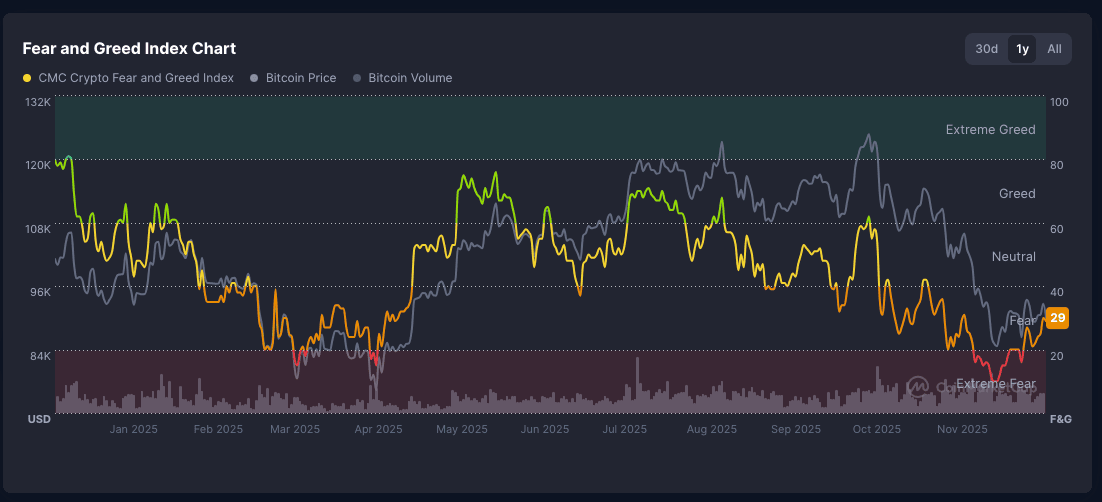
Em última análise, a regra de 1% é uma ferramenta psicológica. Ele remove os dois maiores inimigos de um trader: ganância e temor.
- Elimina a ganância: Você não pode alavancar demais ou se comprometer demais com uma negociação da qual se sente “certo”. A matemática simplesmente impede isso.
- Elimina o medo: Se você perder uma negociação, a perda será pequena (1%). Você não tem medo do mercado porque sabe que até mesmo no pior cenário é possível sobreviver.
Negociar é uma maratona, não um sprint. Convicção — aquela intuição de que esse comércio mosto trabalho — leva a apostas grandes, emocionais e, eventualmente, catastróficas. Consistência—a aplicação mecânica e estável da regra de 1% e o forte R:R — garantem que você estará no mercado por tempo suficiente para que seus vencedores superem seus perdedores, garantindo lucratividade a longo prazo.
Seu sistema agora está completo: defina o risco usando a volatilidade (Lição 10.3), confirme a recompensa potencial (Lição 10.1) e finalize o tamanho da posição com a regra de 1%.
Na próxima lição, começaremos a colocar esses sistemas em prática com suas primeiras estratégias de negociação.


